Maintenance and support
Radon gas in the Canary Islands: the invisible enemy that enters through your floor
The Nuclear Safety Council (CSN) states that 19% of the Canary territory is a high-risk zone for radon gas, with Gran Canaria and Tenerife among the most affected areas. Here is why it is dangerous and how we intervene from the flooring to block its entry.
What is radon gas and why should you care?
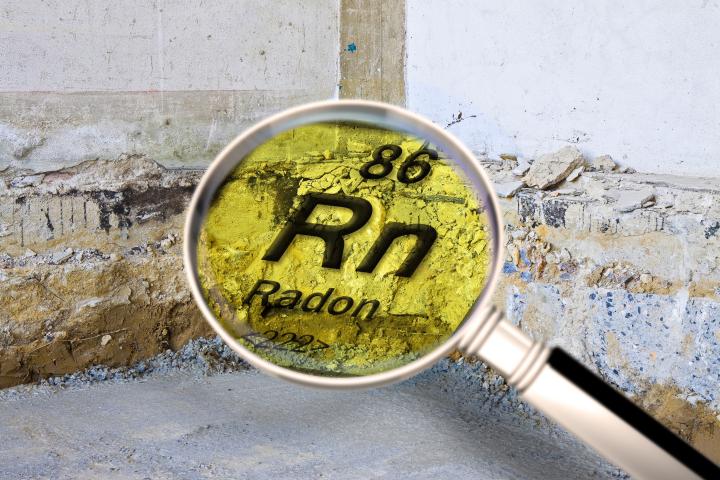
Radon is a natural radioactive gas, colorless and odorless, generated when uranium in the subsoil breaks down. You cannot see or smell it, but it can accumulate indoors, especially on ground floors and basements with poor ventilation.
The World Health Organization considers it the second leading cause of lung cancer after tobacco (the first among non-smokers). Every extra 100 Bq/m³ raises the risk by about 16%, so the recommendation is to keep concentrations below 100 Bq/m³ and never above 300 Bq/m³.
Canary Islands: a territory officially at risk
CSN maps and IC-Radon measurements confirm that almost one fifth of the archipelago is in a high-risk area. Gran Canaria and Tenerife stand out for the number of priority municipalities.
The key is that the problem does not stay on the map. Two homes in the same neighborhood can show very different values. Even if your town is not in the “red zone”, your house can exceed the recommended limits if it is not protected against the subsoil.
How does radon enter your home?
The gas rises from the ground and seeps through micro-cracks in slabs and screeds, poorly sealed joints, floor-to-wall junctions, damp or leaking areas.
If the house stays closed for many hours or lacks proper ventilation, radon accumulates. In short: if the flooring is not protected, the gas has a clear path to enter.
Our real case: from 65 Bq/m³ down to 0*
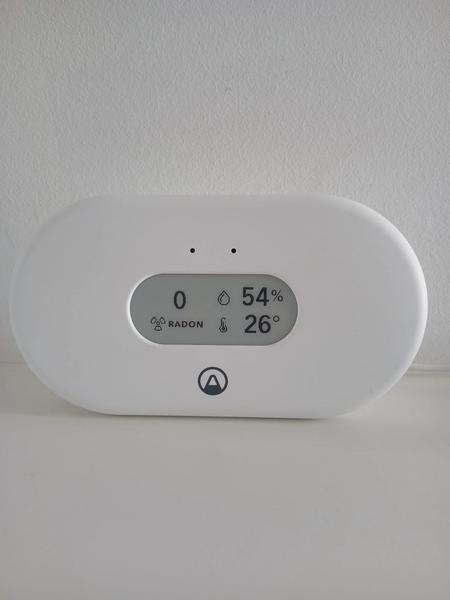
At Artes Reformas S.L. we measure radon before and after we work. In a recent project we started at 65 Bq/m³ and, after the intervention, the value dropped to 0 Bq/m³* (below the device detection threshold).
Even if 65 Bq/m³ is under some limits, reducing exposure always helps: the risk is proportional to the accumulated dose over the years.
Phase 1 · Technical waterproofing of the floor
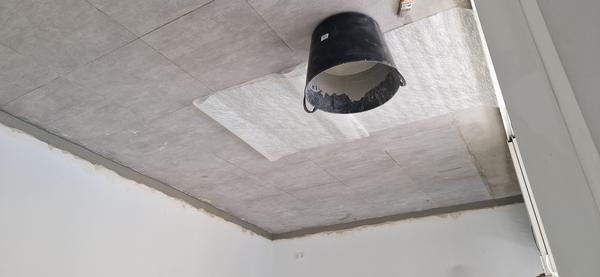
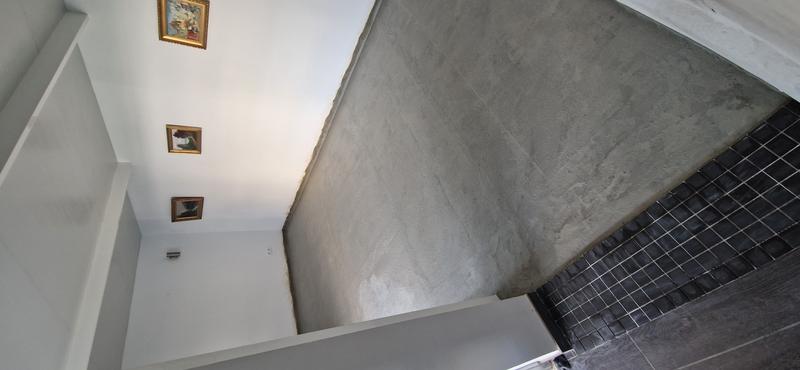
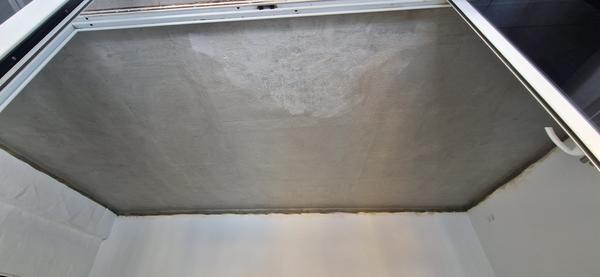
1. Surface preparation: cleaning, opening pores, and repairing cracks or weak points.
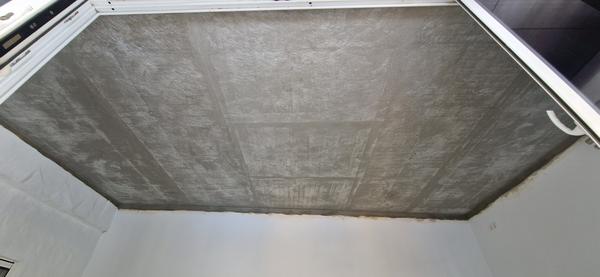
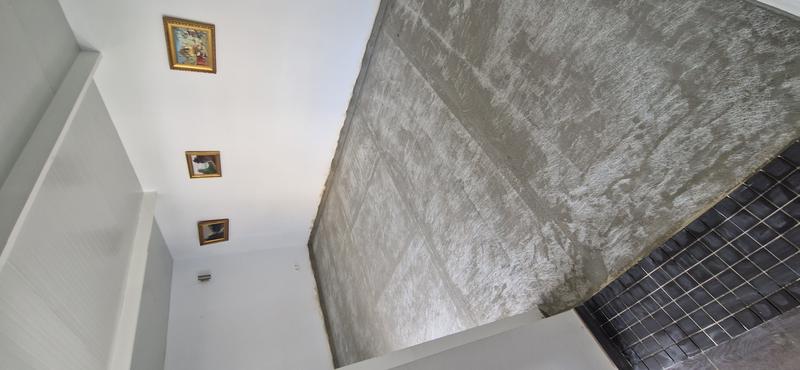
2. Application of two coats of cementitious waterproofing to create a continuous barrier against water and gases.
3. Placement of fiberglass mesh embedded between coats to prevent future cracking.
4. Perimeter treatment on skirting boards (approx. 10 cm) creating a “bathtub” that blocks entry at the floor-to-wall junction.
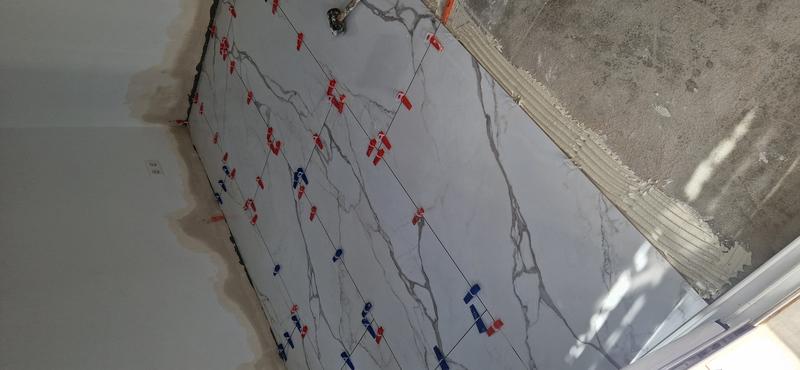
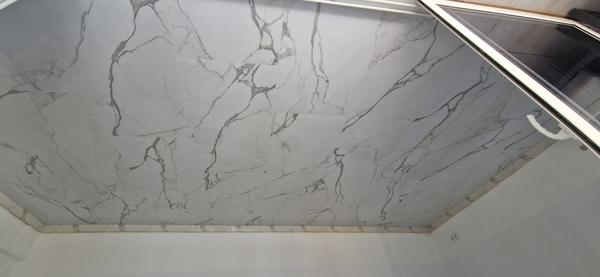
Phase 2 · Installing the new flooring
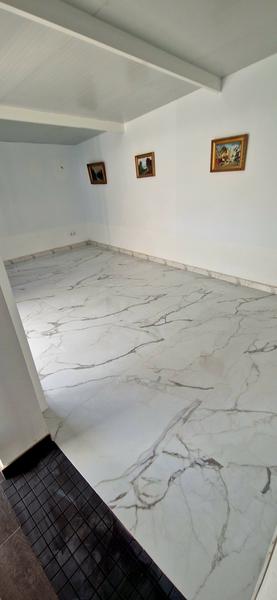
With the barrier ready, we install the new ceramic flooring on the waterproofed substrate. We take care of joints and junctions to keep the protection continuous and ensure the technical shield remains hidden under the final finish.
Phase 3 · Final measurement and verification
We repeat the measurement with the same device and under the same conditions. We only consider the job finished when the results show that the levels have dropped significantly.
* “0 Bq/m³” indicates values below the detection threshold of the equipment used, not the absolute absence of radon.
Why it is important to act now
Radon is a Group 1 carcinogen recognized internationally. In Spain there are already regulations requiring measurement and mitigation in many workplaces and public buildings.
The combination of tobacco + radon multiplies the risk of lung cancer. Acting now protects health, prepares the home for future requirements, and adds demonstrable value.
What can you do if you live in the Canary Islands?
1. Measure: request a dosimeter from official programs such as IC-Radon or from accredited companies.
2. Analyze: with data in hand, a professional determines how the gas enters and which areas are critical.
3. Act: technical waterproofing, joint sealing and, if needed, ventilation improvements.
4. Verify: after the work, measure again to confirm the reduction.
Conclusion: you cannot see radon, but you can control it
Measuring, diagnosing, and acting on the flooring and its junctions is an effective way to protect your home and increase its value.
If you suspect your home may be in a risk area or you want to use a renovation to shield yourself from radon, we can help with a tailored and verifiable solution. Your floor can be the gas entry point… or your first line of defense.
 DE
DE  ES
ES  IT
IT  NO
NO