 DE
DE  ES
ES  IT
IT  NO
NO Video: real humidity case
Visual summary of a real leak situation in a Gran Canaria home.
Maintenance and support
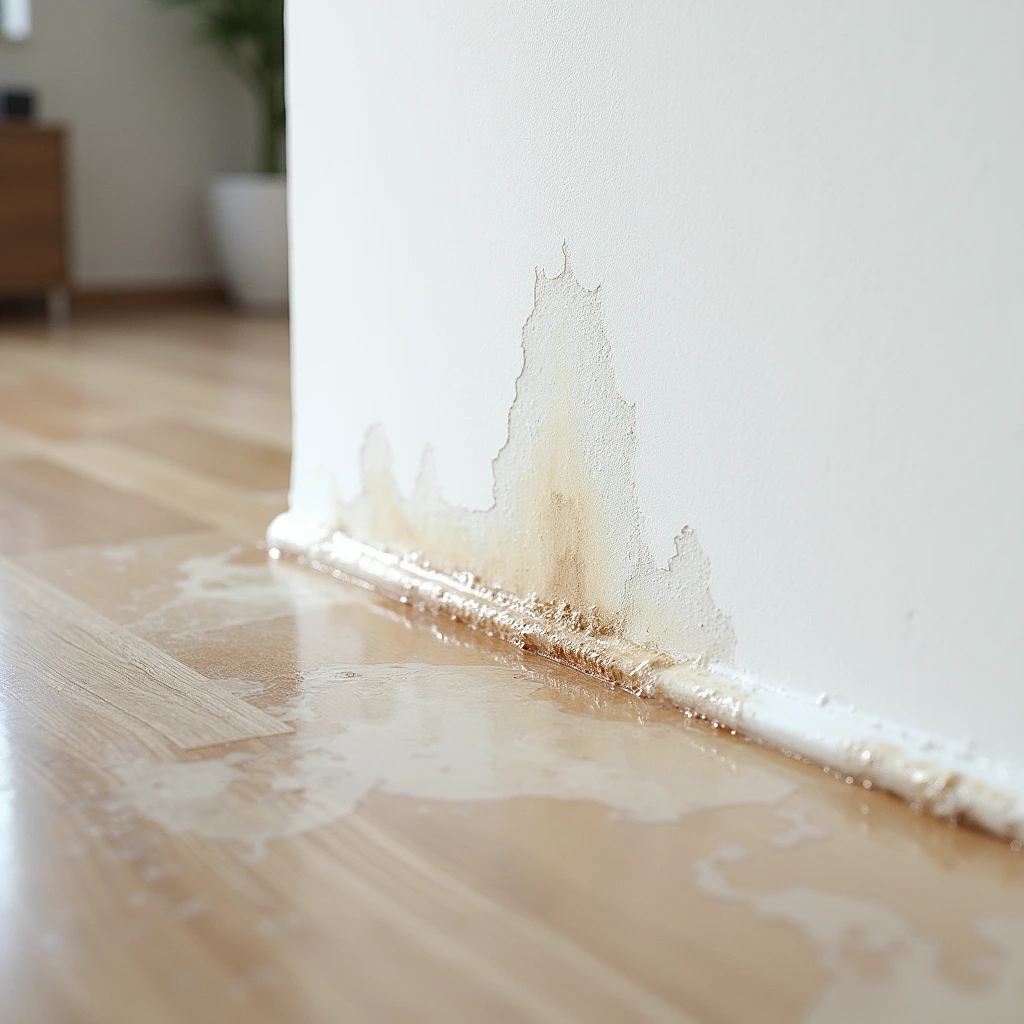
It starts with a small stain. A smell that was not there yesterday. A wall that feels damp. Then you think: "I will fix it later". In Gran Canaria, that delay often becomes expensive. Home humidity rarely stops on its own: when leaks are active, damage keeps advancing every week.
Visual summary of a real leak situation in a Gran Canaria home.
Sea breeze, periods of heavy rain, aging roofs, and poorly sealed joints often cause leaks in many homes on the island. Poorly waterproofed terraces and weak roof-wall connections also play a key role.
When water enters through the roof, facade, or slab, humidity does not stay in one place. It moves through porous materials and may show up days later in a different room.

Not all humidity looks the same. If you notice growing stains, bubbling paint, crumbling plaster, persistent musty smell, or cold damp spots, there is a high chance of water ingress.
Another common sign is recurrence after every rainfall, even after repainting. That pattern usually means an active leak, not a superficial issue.

Painting over moisture may hide the stain for a few weeks, but it does not stop the cause. If the entry point is not repaired, damage continues and the final repair gets more expensive.
The correct order is: technical diagnosis, source repair, controlled drying, and only then final finishing.

In a property in the south of the island, the owner first believed a ceiling stain was condensation. The wall was repainted twice in less than a year, and odor kept getting worse.
After inspection, we found an active roof leak and perimeter sealing failures. Waterproofing and support repair solved the issue and the stain did not return.

A professional solution does not cover symptoms only. First, identify the type of humidity. Then define the right technical system and validate results after intervention.
At Artes Reformas we work in phases: inspection, repair plan, waterproofing or sealing work, drying, and interior restoration.

You should act as soon as you detect repeated signs or expanding stains. Waiting until next winter usually increases damage and cost.
If you already notice odor, peeling material, or visible mold, priority is high.

Leaks usually create localized stains that grow and reappear after rain. Condensation appears on cold surfaces with frequent vapor and superficial mold.
Only temporarily. If the water entry point is not repaired, the stain returns and the substrate keeps degrading.
As soon as repeated signs appear: growing stains, musty odor, lifting paint, or recurring humidity after rain.
Yes. Excess humidity promotes mold and can worsen respiratory and allergic symptoms in sensitive people.
It depends on the cause and level of damage. With active leaks, technical repair of the entry point is usually required.
Because water keeps migrating through porous materials and increases the affected area if not stopped early.
Yes, we handle humidity, leak, waterproofing, and rehabilitation work across different municipalities on the island.
Contact us through the services page or by phone to schedule an initial inspection and receive a tailored proposal.